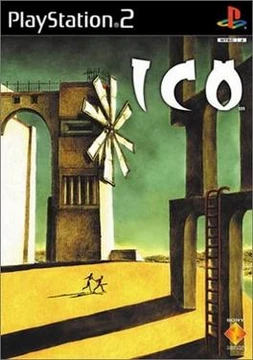
Fumito Ueda
The director and lead designer of Ico, known for minimal plot and overexposed, desaturated light.

via Wikipedia: Fumito Ueda · see source
Fumito Ueda is a Japanese video game designer, game director and visual artist, best known as the director and lead designer of Ico (2001) during his tenure at Sony Computer Entertainment's Japan Studio. His games are distinguished by their usage of minimal plot and scenario using fictional languages, and use of overexposed, desaturated light. He has been described by some as an auteur.
- Role
- Game Director / Lead Designer
- Affiliation
- Sony Computer Entertainment Japan Studio
- First Major Work
- Ico (2001)
- Status
- Active
Verified Timeline
Lore & Background
Ueda joined Sony Computer Entertainment Japan in 1997 and began work on Ico, being granted his own unit as the studio had little experience in developing games on their own due to their focus on assisting third-party developers. After Ico, Ueda and his small team started work on Shadow of the Colossus. Ueda's games have achieved cult status and are distinguished by their usage of minimal plot and scenario using fictional languages, and use of overexposed, desaturated light. He has been described by some as an auteur.
In Their Own Story
Born on April 19, 1970, in Tatsuno, Ueda graduated from the Osaka University of Arts in 1993. In 1995, after trying to make a living as a visual artist, Ueda decided to pursue a career in the video game industry. He joined the developer Warp and worked as an animator on the game Enemy Zero for the Sega Saturn under the director Kenji Eno. He described his time there as 'arduous', as the game was behind schedule and everyone on the project had to work more than normal to meet the release deadline. Eno, who also owned the company, did not think he was that great a digital artist, but handpicked Ueda because of his talent with concepts and design. Ueda worked at WARP for a year and a half.
Reader's Guide
Fumito Ueda directed and served as lead designer on Ico, released in 2001 for the PlayStation 2. The game is known for its minimal plot and scenario using a fictional language, and its use of overexposed, desaturated light. Ueda's games are considered to have a distinctive style, which Ueda himself describes as 'design by subtraction', with sparse landscapes, oversaturated lighting and minimalist story to give his games a personal and distinctive feel. Ueda also said that, in video games, ideas for a gameplay mechanic should be made first, then complemented by a game's story.
Did You Know?
- Ueda worked as a CG designer on the Sega Saturn game Enemy Zero under director Kenji Eno, describing his time there as 'arduous'.
- Ueda graduated from the Osaka University of Arts in 1993 before entering the video game industry in 1997.
Early Life and Industry Entry
Born in Tatsuno on April 19, 1970, Ueda initially pursued visual arts after graduating from the Osaka University of Arts in 1993. Finding that path difficult, he pivoted to video games in 1995 by joining Warp. There, he served as an animator for Enemy Zero under director Kenji Eno. He recalled this period as arduous due to schedule slippages requiring excessive overtime. Despite Eno not viewing him as a top-tier digital artist, the company owner recognized Ueda's conceptual strengths and hired him specifically for design talents. After eighteen months at Warp, Ueda moved on to Sony Computer Entertainment Japan in 1997. This transition marked the beginning of his major directorial journey, moving from an animator role to leading significant internal projects within a studio that previously focused mostly on assisting third parties rather than original development.
The Sony Era and Trilogy Development
During his tenure at Sony Computer Entertainment Japan Studio, Ueda was granted autonomy to lead the development of Ico in 1997, followed by Shadow of the Colossus. Both titles required four years of production time each. Following these successes, rumors surfaced regarding a third project for the PlayStation 3. By E3 2009, this unnamed title was revealed as The Last Guardian, featuring themes connecting back to his previous works involving a boy and a large creature. Although Ueda departed Sony in December 2011, he remained under contract to finalize this specific game. Development proved lengthy, with release dates shifting from late 2016 to December of that same year after an initial October announcement at E3 2015. This era solidified his reputation as a director capable of creating cult classics despite significant production hurdles and long development cycles within the corporate structure.
Artistic Philosophy and Influences
Ueda’s work is defined by a distinctive aesthetic often described as "design by subtraction". He favors sparse landscapes and overexposed lighting to create atmospheric puzzle playgrounds where mute characters seek redemption or exodus. His approach prioritizes gameplay mechanics before narrative integration, contrasting with traditional storytelling methods he admired in titles like Half-Life 2. His creative roots trace back to an inquisitive childhood interest in moving objects and animation. As a teenager, he was influenced by Amiga games such as Flashback and Another World, alongside Sega Mega Drive classics. Additionally, the manga Galaxy Express 999 and the mentorship of Kenji Eno shaped his vision. IGN recognized this unique ability to instill isolation yet hope in weather-worn settings when ranking him among their top one hundred creators of all time in 2008.
GenDesign and Future Ventures
After finalizing his obligations with Sony, Ueda established his own development company, GenDesign, around mid-2014. This studio was comprised of former team members dedicated to completing The Last Guardian and future projects. By September 2018, the studio began prototyping a new title supported by investment fund Kowloon Nights. Funding arrangements evolved significantly in March 2020 when Epic Games announced they would fully finance development with a fifty-fifty profit split. Progress on this next venture remained quiet until the 2024 Game Awards revealed a teaser codenamed Project Robot. Eventually, at Summer Game Fest 2026, the full title genATLAS was unveiled alongside its first trailer. This independent path demonstrates his continued commitment to creating unique experiences outside of traditional publisher constraints while securing major financial backing for his ambitious new vision.
Frequently Asked Questions
Who is Fumito Ueda?
He is a Japanese game designer and artist recognized for directing Ico during his time at Sony Computer Entertainment Japan Studio in 2001. His career focuses on creating emotional experiences through visual storytelling rather than complex dialogue.
What was Fumito Ueda's role in Ico?
Ueda served as the lead designer and game director, controlling the creative vision from the initial concept to the final product. This leadership allowed him to implement his unique minimalist philosophy throughout every aspect of the development.
Why is Fumito Ueda important to video games?
He is frequently cited as an auteur because his titles possess a distinct personal signature that influenced many developers who followed. His willingness to experiment with non-traditional narratives and gameplay mechanics reshaped expectations for artistic expression in the medium.
What makes Fumito Ueda's art style unique?
His work is characterized by desaturated palettes and overexposed lighting that create a dreamlike, melancholic atmosphere. This visual approach reinforces the themes of isolation while minimizing the need for explicit plot exposition.
Is Fumito Ueda still active in development?
Yes, he remains an active professional who continues to work on new projects after his initial successes at Sony. Fans and critics alike remain eager to see what he creates next given the enduring legacy of Ico.
More in Development & Legacy
Elsewhere in the Ico universe
Spotted an error? Know more?
This is a living reference — every entry is fact-audited, and reader corrections feed straight into our audit queue. Suggest an edit · See this site's audit record