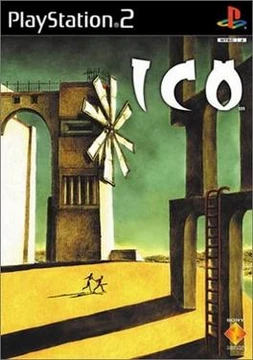
Shadow of the Colossus
A lone wanderer enters a forbidden land to defeat sixteen ancient giants and restore a lost soul.

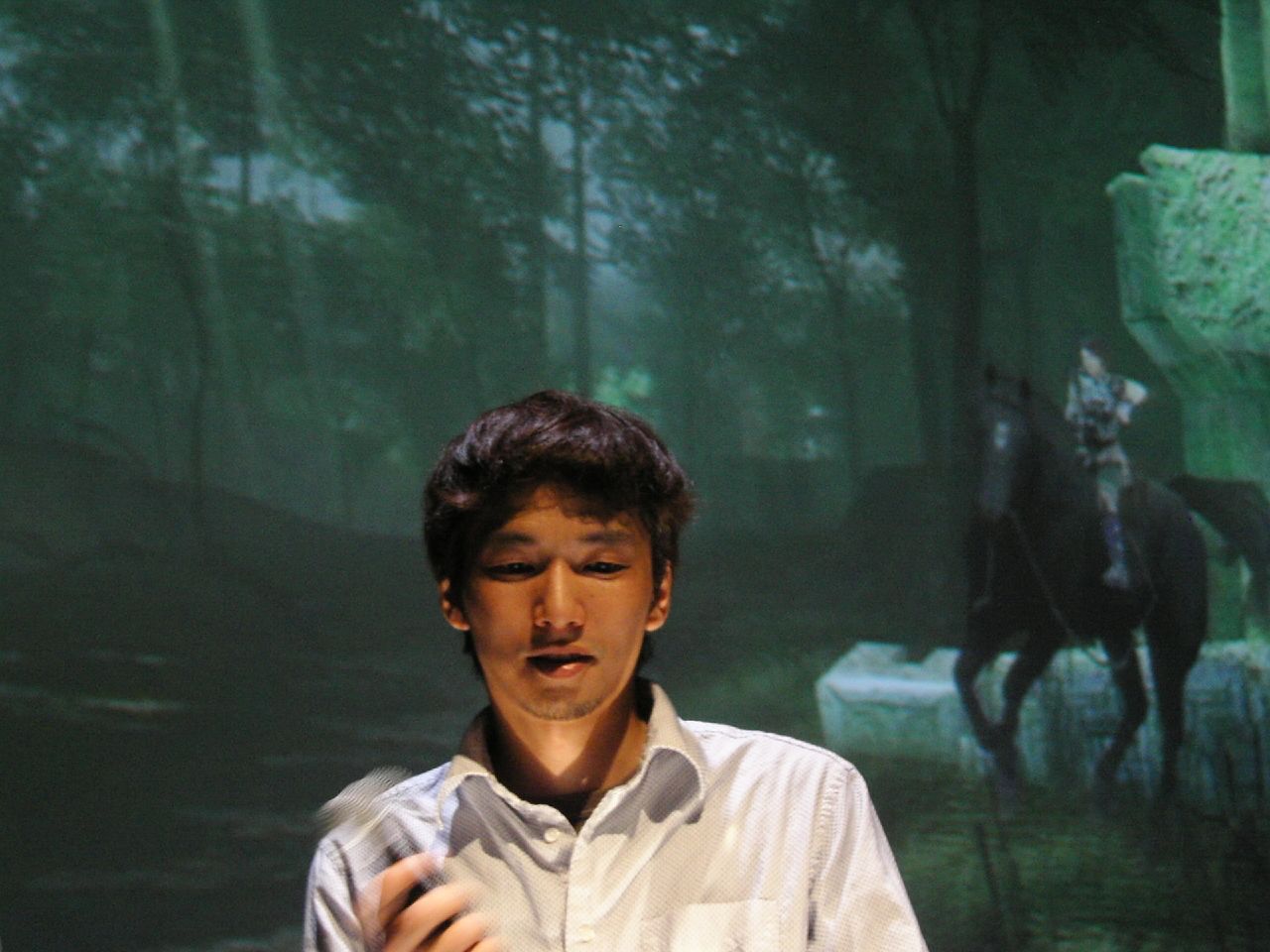
Javier Candeira from Madrid, Spain · CC BY-SA 2.0
Shadow of the Colossus is an action-adventure video game developed and published by Team Ico within Sony Computer Entertainment's Japan Studio. Released in 2005 for the PlayStation 2, it serves as a spiritual successor to Ico, sharing a minimalist narrative style and unique mechanical focus. The title is renowned for stripping away traditional enemies and dungeons, replacing them with a vast, open world populated by only sixteen massive creatures that the protagonist must defeat.
- Developer
- Team Ico
- Publisher
- Sony Computer Entertainment
- Original Platform
- PlayStation 2
- Protagonist
- Wander
- Key Companion
- Mono
- Primary Antagonists
- The Colossi
- Genre
- Action-adventure
Lore & Background
As Wander defeats each Colossus, he gains power but also loses his humanity, physically transforming as the game progresses. The narrative explores themes of hubris, sacrifice, and the consequences of defying divine will. The ending reveals that Dormin is an ambiguous entity that offers to revive Mono in exchange for defeating the colossi, and its true nature is left open to interpretation. Mono is revived as a normal human, not transformed into a giantess. Wander himself is transformed into a horned infant and placed in the pool at the Shrine of Worship, not taken to the secret garden.
In Their Own Story
The wind howls through the grassy plains as Wander approaches the sleeping giant. The creature's massive form blocks out the sun, its skin textured like ancient stone and moss. With no weapon but a bow and sword, he climbs the living mountain of flesh and fur. Below, the Colossus stirs, shaking the earth with every movement. There is no malice in its eyes, only confusion as it tries to shake off this tiny intruder. Wander reaches the weak point, plunging his blade deep into the beast's heart.
Reader's Guide
Shadow of the Colossus was created by Team Ico, a group led by Fumito Ueda who had previously developed the critically acclaimed game Ico. The project began as an ambitious concept for the PlayStation 2, pushing the hardware to its limits with large-scale environments and complex character models. The development team faced significant challenges in animating the Colossi to feel organic and heavy while maintaining performance on the console. They opted for a minimalist approach to storytelling, relying on environmental cues and music rather than dialogue or cutscenes to convey emotion. Upon release, the game received universal acclaim from critics who praised its artistic vision, emotional depth, and unique gameplay mechanics. It is often cited as one of the greatest video games ever made, influencing countless titles that followed with its focus on scale and atmosphere.
Did You Know?
- The sixteen Colossi were designed to be defeated in a specific order, though players are free to tackle them in any sequence they choose.
- Fumito Ueda intentionally avoided traditional combat systems, forcing players to use the environment and the Colossus's own movements against it.
- The game features no health bars or enemy indicators, relying entirely on player observation and timing for success.
Gallery


Frequently Asked Questions
What is Shadow of the Colossus?
Shadow of the Colossus is a 2005 action-adventure title developed by Team Ico that serves as a spiritual successor to Ico. While it shares a minimalist narrative style and artistic vision, it shifts focus from dungeon crawling to hunting sixteen massive creatures in an open world.
Who is the protagonist and what is their goal?
The story follows a lone traveler named Wander who ventures into a forbidden land with a specific goal. His mission involves defeating sixteen ancient giants known as Colossi to resurrect the spirit of his companion, Mono.
How does the gameplay differ from traditional action games?
Unlike typical action titles, this game removes standard enemy hordes and dungeon puzzles to create a unique experience. Players navigate a vast, isolated landscape where the only obstacles are sixteen colossal beings that must be defeated through exploration and climbing.
How does Shadow of the Colossus's story end?
Upon destroying the final creature, Wander absorbs their power and transforms into a new Colossus himself. His companion then sacrifices themselves to slay him, resulting in the birth of a newborn child from his remains.
Why is Shadow of the Colossus considered important?
The game is critically acclaimed for proving that video games can function as high art through environmental storytelling and mechanical restraint. Its legacy lies in influencing countless open-world designs by prioritizing atmosphere and scale over constant conflict.
More in Development & Legacy
Elsewhere in the Ico universe
Spotted an error? Know more?
This is a living reference — every entry is fact-audited, and reader corrections feed straight into our audit queue. Suggest an edit · See this site's audit record